
Picky Eaters in Preschool: 8 Tips for Parents
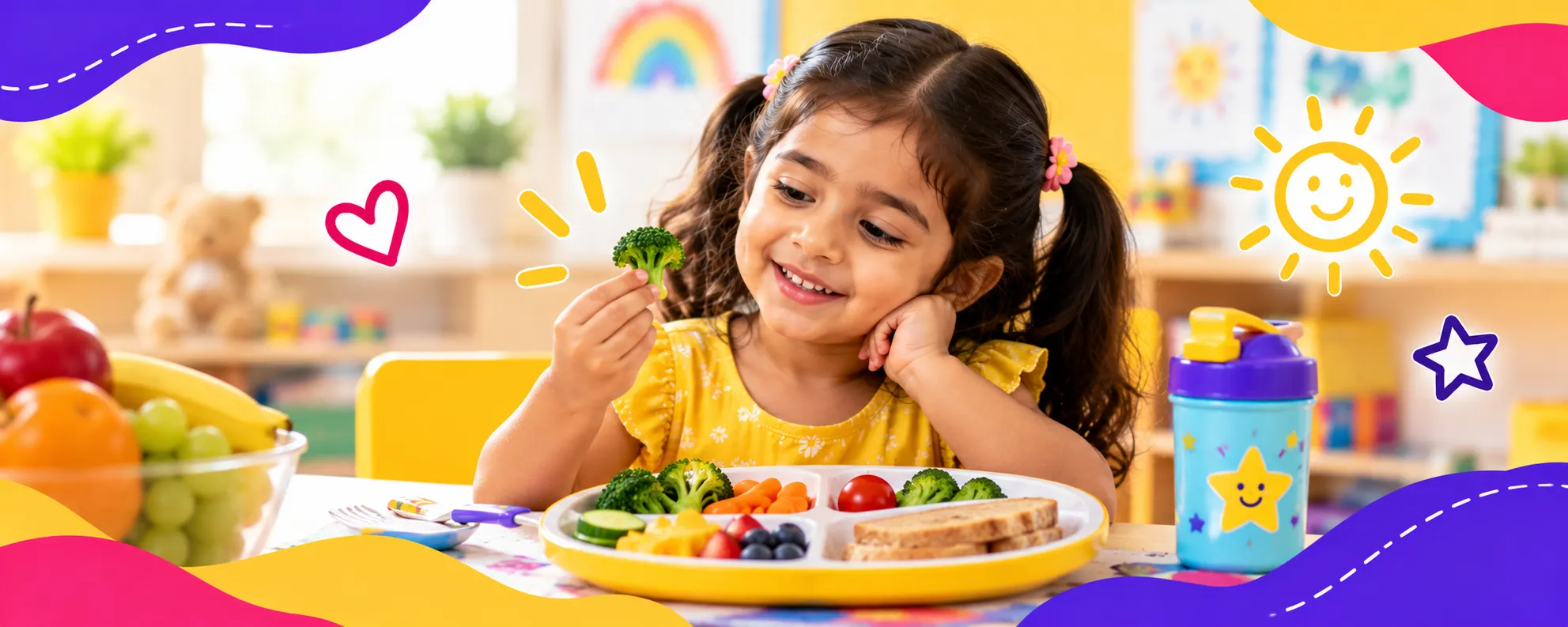
Dealing with a picky eater? Discover 8 practical tips to help preschoolers try new foods, enjoy mealtimes and build healthier eating habits without pressure.




Picky eating is a common struggle that parents face with their preschool children. It can be frustrating and worrisome when your child refuses to eat certain foods or only wants to eat the same thing every day. However, it is important to remember that picky eating is a normal stage of development, and most children will eventually grow out of it. While it may take some patience and creativity, there are ways to deal with preschool picky eaters and encourage them to try new foods.
Picky eating in preschoolers refers to a pattern of eating a limited range of foods, refusing unfamiliar foods or preferring the same meals repeatedly. Parents can help by offering a variety of foods without pressure, keeping mealtimes relaxed, involving children in food preparation and continuing to offer familiar and new foods. Progress can take time, and children should not be forced to eat.
In this blog, we will discuss some tips and strategies to help you navigate this phase with your child.
-
Create a positive mealtime environment
The atmosphere during meals can greatly influence a child's eating habits. If mealtime is stressful or chaotic, it can make your child even more resistant to trying new foods. Therefore, it is essential to create a positive and relaxed environment during meals. Set regular meal times and try to eat together as a family as much as possible. This will not only encourage your child to eat but also provide an opportunity for family bonding.
Try to keep distractions to a minimum and give children enough time to eat. Focus on conversation and connection rather than how much food your child finishes. A calm atmosphere can make mealtimes feel more comfortable.
Parents looking to learn more about early childhood education can explore Kidzee and discover its preschool offering.
2. Involve your child in meal preparation-
Children are more likely to try new foods if they are involved in the cooking process. Take your child grocery shopping and let them pick out fruits and vegetables that they would like to try. Involve them in simple tasks like washing vegetables, stirring ingredients, or setting the table. This will make them feel like they have some control over what they are eating and may increase their interest in trying new foods.
Let your child explore food using their senses. They might wash a cucumber, smell a mango, sort colourful vegetables or arrange fruit on a plate. Touching or smelling a new food can be a useful first step, even if they are not ready to taste it.
3. Start small and offer variety
Introduce new foods gradually and in small portions. Offering a plate full of unfamiliar foods can be overwhelming for a picky eater. Instead, try adding a new fruit or vegetable each week or offering a small taste of something new alongside their familiar favourites. This will help your child become more comfortable with different types of food and increase their willingness to try new things.
It may take repeated, pressure-free opportunities for a child to become familiar with a new food. Allow your child to look at it, touch it or smell it without insisting that they take a bite. Continue offering a varied selection over time, while respecting your child's appetite and comfort.
For example, if your child enjoys bananas, you could offer banana alongside a small piece of pear or soft melon. The familiar food remains available while the new option becomes part of the mealtime experience.
4. Make food fun
Preschoolers are attracted to bright colours and fun shapes, so use this to your advantage. Cut fruits and vegetables into different shapes using cookie cutters or make funny faces with different food items on their plate. This can make mealtime more enjoyable and appealing to your child, increasing their chances of trying new foods.
Try making a rainbow plate with a few different-coloured fruits and vegetables, or invite your child to arrange cucumber slices and soft fruit into a picture. Keep food presentation simple: the aim is to make exploring food enjoyable, not to persuade children to eat by turning every meal into a performance.
Always prepare food in age-appropriate sizes and textures, and supervise children while eating to reduce choking risks.
5. Be a role model
Children often imitate what they see their parents doing, so it is important to lead by example. If you want your child to eat a variety of healthy foods, show them that you also enjoy eating a balanced diet. Avoid making negative comments about certain foods or forcing your child to eat something they don't like. Instead, be positive and offer encouragement when they try new foods.
Eat together when possible and describe food neutrally. For example, you might say, "This carrot is crunchy," or "The mango tastes sweet." This gives children opportunities to learn about food without suggesting that they must like everything they try.
6. Don't force or bribe your child to eat
Forcing or bribing a child to eat can create negative associations with food and mealtime. Instead, offer choices and let your child decide what they want to eat. If they choose not to eat something, don't make a big deal out of it. Continue to offer a variety of healthy options and trust that your child will eventually try new foods on their own.
Avoid using dessert as a reward for finishing vegetables or insisting on "just one more bite." Instead, provide regular opportunities to eat and let your child respond to their hunger and fullness cues. Parents can decide what foods to offer and when meals and snacks are served, while allowing children to decide whether and how much to eat from what is available.
If you are concerned that your child is consistently eating very little or avoiding entire food groups, seek advice from a paediatrician or registered dietitian rather than relying on pressure or reward systems.
7. Be patient and consistent
It is important to remember that picky eating is a phase that most children will outgrow. It takes time and patience to get through this stage, so don't get discouraged if your child is still picky after trying these strategies. Keep offering new foods and be consistent with mealtime routines and expectations.
Celebrate small steps, such as your child agreeing to have an unfamiliar food on the plate, touching it or smelling it. These moments can help build familiarity, even if the child does not eat the food immediately.
Consistency does not mean serving the same food in the same way every day. It means maintaining a calm, supportive approach and offering varied foods regularly without making eating a battle.
8. Seek professional help if needed
If your child's picky eating habits are severe and affecting their growth and development, it is important to seek professional help from a paediatrician or a registered dietitian. They can help assess the situation and provide personalized recommendations to improve your child's eating habits.
Consider professional advice if your child is losing weight, not growing as expected, frequently gags or chokes when eating, has difficulty chewing or swallowing, appears distressed at most meals, or eats such a limited range of foods that you are worried about nutritional deficiencies. These signs do not automatically mean there is a serious problem, but they deserve assessment.
If your child has breathing difficulty or appears to be choking, seek emergency assistance immediately.
Practical Mealtime Habits to Try at Home
Small changes can make mealtimes more manageable for both parents and children.
- Keep a predictable schedule: Offer meals and snacks at reasonably consistent times.
- Include a familiar food: Serve at least one food your child usually accepts alongside other suitable options.
- Offer small portions: A little of an unfamiliar food may feel less overwhelming than a full serving.
- Invite, don't insist: Encourage exploration without demanding a taste.
- Limit distractions: Where possible, make mealtimes a shared family activity without screens.
- Let children help: Give them simple tasks such as washing produce or arranging food.
- Notice progress: Acknowledge curiosity and willingness to explore without making praise conditional on eating.
These suggestions are general strategies, not a substitute for personalised advice when a child has persistent feeding difficulties, allergies, medical needs or concerns about growth.
In conclusion, dealing with preschool picky eaters can be challenging, but with patience, consistency, and creativity, you can help your child develop a healthy relationship with food. Remember to create a positive mealtime environment, involve your child in meal preparation, offer variety, make food fun, be a role model, and avoid forcing or bribing your child to eat. With these strategies, you can help your child overcome their picky eating habits and establish healthy eating habits for life.
Every child's early learning journey is supported by the experiences they have at home and in their wider environment. Parents exploring preschool options can visit Kidzee's official website to learn more about its preschool offering