
How to Encourage a Love of Reading in Children: 10 Tips
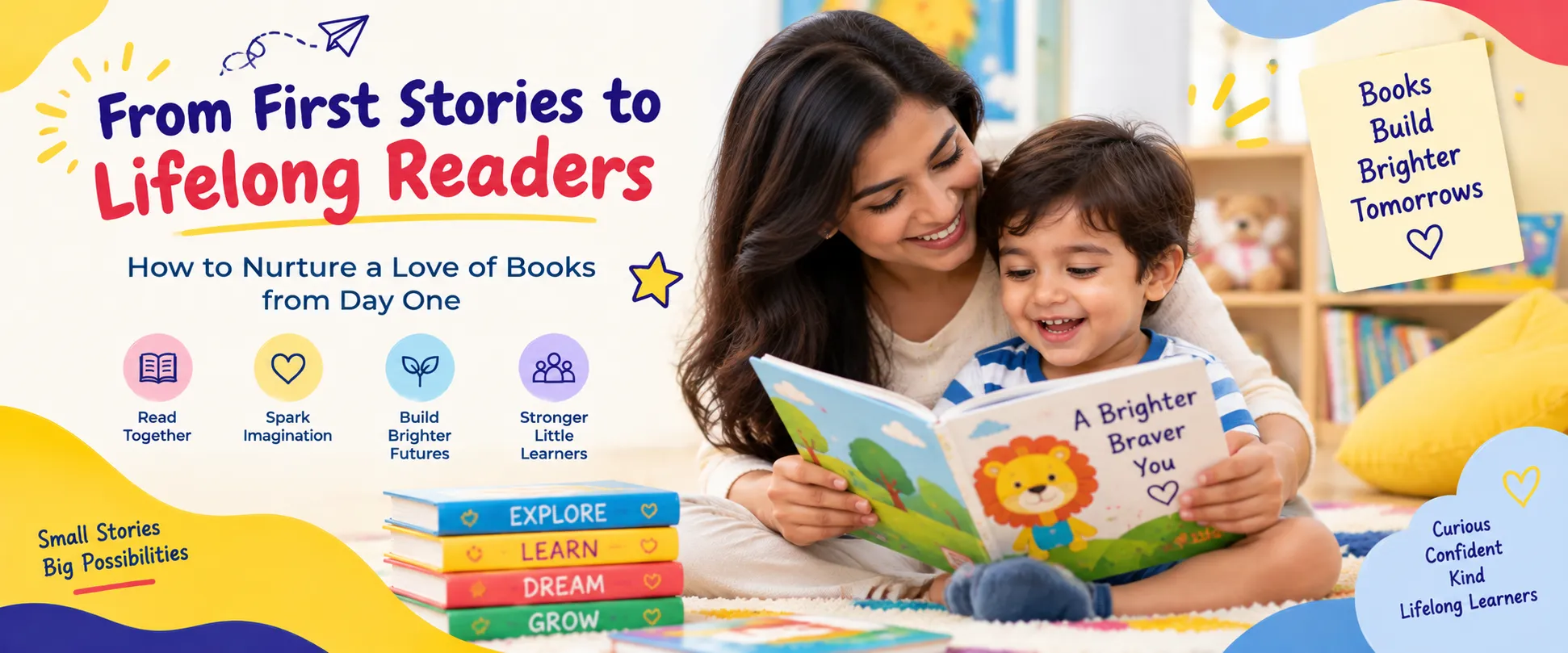
Learn how to encourage a love of reading in children with simple daily habits, storytelling tips, age-appropriate books and fun reading activities for kids.




The best way to develop a love of reading in children is to make books part of everyday life from an early age. Reading aloud, letting children choose books, creating a regular reading routine, talking about stories and connecting books with their interests can help build positive associations with reading. You can start reading to your child from infancy—even before they understand the words.
The goal is not to teach children to read as early as possible; it is to make books, stories and language enjoyable so that children gradually develop curiosity, confidence and positive reading habits.
A child doesn't learn to love reading the day they recognize their first word. That love begins much earlier with the comforting sound of a parent's voice, the bright pictures in a board book, and the joy of sharing stories together.
Reading is more than a milestone in early childhood; it is a gateway to language, imagination, emotional development, and lifelong learning. The habits children build in their earliest years often shape their relationship with books for years to come.
So, when should you start reading to your child? The answer is simple: from day one.
For more ideas on supporting your child's early learning and development, explore Kidzee's preschool programmes.
Why Reading is Important for Children
Reading to children from an early age can support language development, vocabulary, listening, comprehension, imagination and emotional understanding. Shared reading also creates opportunities for children and caregivers to talk, ask questions and connect through stories.
Even newborns benefit from hearing stories read aloud. Although they may not understand the words, they recognize familiar voices, rhythms, and expressions. These early interactions help build neural connections that support language and literacy development.
As children grow, reading together helps them:
- Develop vocabulary and language skills
- Strengthen listening and attention span
- Improve memory and comprehension
- Build imagination and creativity
- Understand emotions and empathy
- Develop a lifelong curiosity for learning
Most importantly, reading creates meaningful moments of connection between children and their caregivers.
Reading is one part of a broader early learning experience that includes language, play, creativity and social interaction. Learn more about Kidzee's playgroup programmes.
When Should You Start Reading to Child?
You can start reading to your child from infancy. Babies benefit from hearing familiar voices, rhythm and language during shared reading, even before they understand the story or recognise words. As children grow, books can become more interactive through pointing, naming pictures, asking questions and discussing characters and events.
Many parents believe reading begins when children start speaking or recognizing letters. In reality, babies benefit from books from infancy.
Here's how reading evolves through the early years:
Birth to 12 Months
At this stage, reading aloud is mainly about building familiarity with language, voices, rhythm and shared attention rather than expecting a baby to understand the story.
Choose books with bold pictures, high-contrast colours, simple words, and rhythmic language. Babies enjoy hearing your voice more than following the story.
1–2 Years:
For toddlers, interactive reading can support vocabulary as they point, name familiar objects, imitate sounds and respond to simple questions.
Toddlers love books with repetitive phrases, animal sounds, and interactive elements like flaps or textures. Encourage them to point to familiar objects and name pictures.
2–4 Years:
Preschoolers can increasingly participate in storytelling by predicting what happens next, describing pictures, answering questions and retelling familiar parts of a story.
Children begin following simple storylines and asking endless questions. Read picture books, rhymes, and short stories that encourage conversation and imagination.
Remember, the goal isn't finishing the book it's enjoying the experience together.
How to Develop a Reading Habit
To develop a reading habit in children, make reading predictable, enjoyable and child-led. A short daily reading routine, easy access to books, freedom to choose stories and regular conversations about what you read can help children associate books with enjoyment rather than pressure.
Consistency matters more than the length of each reading session. Even a few minutes of enjoyable shared reading can become part of a child's daily routine.
Building a love for books doesn't require long study sessions. Small, consistent routines make the biggest difference.
- Read Every Day
Even a few minutes of enjoyable daily reading can help establish a routine; some families may naturally read for 10–15 minutes or longer depending on the child's age and interest.
There is no need to finish a book every time. The quality of the interaction matters more than completing a certain number of pages.
Bedtime stories, afternoon reading breaks, or quiet mornings all work wonderfully.
What If My Child Doesn't Like Reading?
If your child does not enjoy books, avoid turning reading into a test or a daily battle. Start with topics they already enjoy, choose short and visually engaging books, let them select what to read and use storytelling, songs or picture-based conversations to build positive associations with language.
Try:
- Letting your child choose between two or three books
- Reading only a few pages at first
- Using books connected to their favourite interests
- Looking at pictures and talking about them
- Acting out parts of a story
- Stopping before your child loses interest
The goal is to make reading enjoyable first. A positive relationship with books can develop gradually as children become more comfortable and confident.
- Create a Reading Corner
Design a cosy space with books within your child's reach. A few cushions, good lighting, and a basket of books can make reading feel inviting.
- Let Children Choose
When children pick their own books, they become more engaged. Whether they choose dinosaurs, princesses, trucks, or animals, follow their interests.
If your child repeatedly chooses the same topic, character or type of book, follow that interest. Favourite themes such as animals, vehicles, dinosaurs, fairy tales or space can become a gateway to broader reading.
There is no need to insist that every book be educational. Enjoyment is an important part of developing a lasting relationship with books.
- Read with Expression
Change your voice for different characters, use facial expressions, and add sound effects. Animated storytelling keeps young children engaged and makes books memorable.
- Ask Questions
Instead of simply reading the words, involve your child.
Ask them:
- What do you think will happen next?
- How is the character feeling?
- Which picture is your favourite?
- What would you do?
These conversations develop comprehension and critical thinking.
- Read the Same Book Again
Parents often worry when children ask for the same story repeatedly. Repetition is actually beneficial. It helps children remember vocabulary, predict events, and build confidence.
Parents can also explore Kidzee's approach to early childhood learning for more ideas on supporting children's development through age-appropriate experiences.
Is Storytelling as Important as Reading for Young Children?
Storytelling and reading support early literacy in different but complementary ways.Books expose children to written language, illustrations and story structures, while storytelling encourages listening, imagination, vocabulary, sequencing and expressive language.
Parents can combine both by reading picture books, telling family stories, inventing characters together and encouraging children to retell familiar stories in their own words.
The Power of Storytelling
Books aren't the only way to build literacy. Storytelling for toddlers is equally valuable.
Tell stories from your childhood, make up adventures together, or retell familiar fairy tales. Storytelling develops imagination, sequencing skills, memory, and expressive language while strengthening family bonds.
Sometimes, the stories children remember most are the ones created together.
How to Choose Books for Toddlers and Preschoolers
Choose books based on your child's age, interests, attention span and developmental stage rather than choosing books solely by reading level.
For younger children, look for:
- Sturdy board books
- Large, clear illustrations
- Simple and repetitive language
- Rhymes and rhythm
- Interactive features
- Familiar objects, animals and everyday experiences
For preschoolers, consider adding:
Simple storylines
- Characters with relatable experiences
- Books that encourage questions
- Stories about emotions and relationships
- Rhyming and repetitive stories
- Books that encourage imagination
The best book is often one your child wants to hear again and again.
Choosing the Right Books
When selecting books for toddlers and preschoolers, look for:
- Bright, engaging illustrations
- Simple and repetitive language
- Rhyming stories
- Interactive elements
- Diverse characters and experiences
- Stories with positive values and relatable situations
Most importantly, choose books that spark joy.
Be a Reading Role Model
Children imitate what they see. If they regularly see parents reading books, newspapers, or magazines, they begin to view reading as a natural part of everyday life.
Talk about books, visit libraries, exchange stories, and celebrate reading together. A home where books are valued naturally encourages children to become readers.
The Journey Begins with One Story
A love of books isn't built overnight. It grows one story, one cuddle, one bedtime routine, and one curious question at a time.
The pages you turn together today become the foundation for tomorrow's confident reader. More importantly, they become cherished memories your child will carry for a lifetime.
Because every great reader begins with someone who simply took the time to read aloud.
For more resources and ideas for supporting your child's early development, explore Kidzee's preschool programmes.
How to Nurture a Love of Reading: Key Takeaways
A lifelong love of books begins with positive, shared experiences rather than pressure to read early.
- Start reading aloud from infancy.
- Make reading part of a simple daily routine.
- Let children choose books that interest them.
- Use expression, questions and conversation while reading.
- Read favourite books repeatedly.
- Choose books appropriate to your child's age and interests.
- Use storytelling alongside books.
- Keep books accessible at home.
- Avoid turning reading into a test.
- Focus on enjoyment, curiosity and connection.